

This SEMH case study demonstrates how consistent, relationship-led support helped a learner develop greater emotional awareness, improved emotional regulation, stronger communication skills and increased confidence, enabling her to engage more successfully with learning, peers and everyday challenges.
The SEMH Challenges
This SEMH case study highlights the complex barriers the learner faced when first joining EM Academy. When the learner joined EM Academy in March 2025, she required a highly individualised educational environment to support her emotional regulation, sensory needs, social development and readiness for learning.
The learner brought many strengths to the academy, including creativity, humour, imagination and strong verbal communication skills. However, she found it difficult to manage feelings of frustration, disappointment and anxiety, which often affected her ability to engage safely and consistently within educational environments.
Challenges included:
- Difficulty regulating emotions during challenging situations
- Sensory sensitivities relating to clothing, noise and environmental demands
- Difficulties with turn-taking, waiting and compromise
- Challenges engaging alongside peers
- Anxiety and frustration that could quickly lead to dysregulation
These barriers impacted her ability to access learning, build positive relationships and develop confidence within educational settings.
EM Academy’s Approach: Building Trust, Safety and Regulation
Before academic progress could begin, the focus was on creating emotional safety, trust and consistency.
A highly personalised programme was developed around the learner’s individual strengths, interests and needs. Initially, this meant a one-to-one provision model, designed to reduce sensory demands, minimise conflict and allow staff to give targeted, focused support around regulation and emotional wellbeing. Staff adopted a calm, nurturing and relationship-led approach, using:
- Consistent routines and trusted adults
- Emotional coaching and co-regulation strategies
- Sensory regulation opportunities and movement breaks
- Creative and practical learning experiences
- Visual supports and structured communication
- Gradual opportunities to engage alongside peers
This approach helped the learner feel secure, understood and supported, creating the foundations needed for meaningful progress.
Developing Communication and Self-Awareness
As relationships strengthened and routines became familiar, the learner began making significant progress in recognising and communicating her emotions.
One of the most important developments was her growing ability to identify when something felt uncomfortable, overwhelming or frustrating and communicate this to adults before reaching a point of escalation.
Over time, she became increasingly able to:
- Express worries and frustrations verbally
- Seek support from trusted adults when needed
- Identify sensory discomfort and communicate concerns
- Accept reassurance and guidance more readily
- Recover more successfully following challenging situations
These developing skills became an important foundation for emotional wellbeing, resilience and future learning.
Social Growth and Peer Relationships
Alongside improvements in emotional awareness, the learner also made meaningful progress in her ability to engage with others.
Initially, shared spaces and peer interactions could feel overwhelming. However, with carefully planned support and gradual opportunities to participate alongside others, she began building confidence within group environments.
She successfully engaged in:
- Den building activities
- Role play and imaginative play
- Turn-taking games
- Group movement sessions
- Cooperative learning opportunities
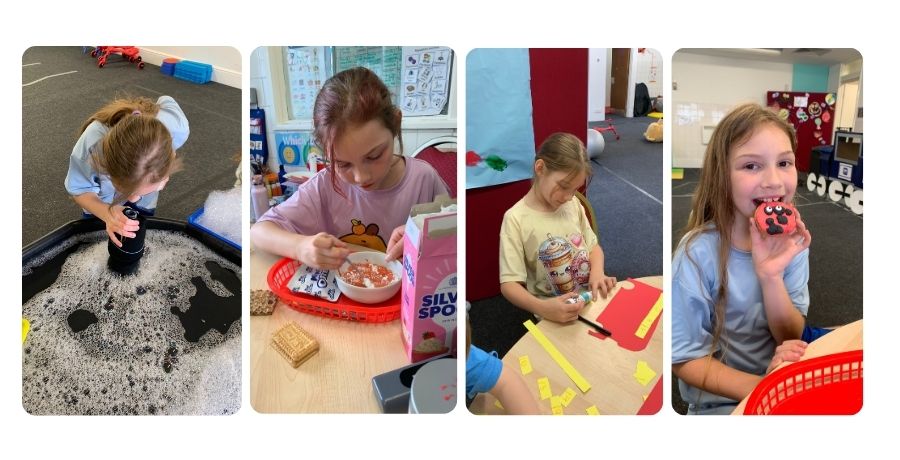
Staff observed increased patience, greater social tolerance and a growing willingness to compromise and participate alongside peers.
SEMH Outcomes and Progress
The outcomes achieved throughout this SEMH case study demonstrate the impact of personalised, specialist support. The learner made significant progress across multiple areas of development, including:
- Improved emotional awareness and self-regulation
- Increased ability to communicate before escalation
- Greater resilience when facing challenges
- Improved engagement with learning activities
- Stronger peer relationships and social confidence
- Enhanced independence in identifying and communicating sensory needs
Attendance also improved significantly, increasing from 63% during an earlier reporting period to 100% during the most recent reporting period.
The learner attended 39 sessions during this period and demonstrated consistent engagement with her provision, reflecting growing confidence and emotional security within the academy environment. Just as significantly, the risk of her requiring removal from the wider cohort , a real possibility earlier in her placement was substantially reduced as her regulation and communication skills developed.
Impact Beyond the Sessions
The progress achieved extended far beyond daily learning activities.
The learner developed stronger relationships with trusted adults, increased confidence in communicating her needs and improved ability to manage situations that had previously felt overwhelming.
She progressed from requiring a highly individualised programme and significant adult support to successfully participating in supported peer activities and cooperative experiences.
These developments have created stronger foundations for future educational opportunities, independence and personal growth.
Practitioner Reflection
“When I first started working with this learner, she was reluctant to engage in learning and often required sessions on a one-to-one basis due to difficulties with emotional regulation and confidence. Attendance was inconsistent, and she showed little interest in participating in activities.
Through building a positive relationship, creating a consistent routine and introducing small, achievable steps, we gradually saw her confidence begin to grow. Over time, she became more able to communicate her emotions and needs, re-engage alongside her peers and take pride in her learning.
One of the most rewarding developments has been seeing her actively request opportunities to learn to read, something she had previously been resistant to. She now approaches learning with greater confidence, resilience and independence, and is increasingly able to engage positively with her peers.
The progress she has made has been remarkable, and she continues to grow in confidence every day.”
Kirsty Bultitude
Leading Teaching Assistant, EM Academy Ipswich“What has impressed me most is the learner’s growing ability to recognise when things are becoming difficult and communicate this to trusted adults. Whilst this may seem a small achievement to some, it represents one of the most important foundations for future success.
We are increasingly seeing a young person who can identify sensory discomfort, express frustration, seek support and begin taking ownership of her own actions.
The progress she has made in rebuilding relationships with peers, accepting support and engaging within group activities is something she should be incredibly proud of. We certainly are.”
Garry Mills
Area Manager Suffolk, EM Academy
Why This SEMH Case Study Matters
This SEMH case study highlights the importance of prioritising emotional wellbeing, sensory regulation and relationship-building as the foundation for learning.
By focusing on trust, communication and emotional development first, the learner was able to make meaningful progress in areas that had previously limited her access to education.
At EM Tuition, we understand that every learner’s journey is unique. Through personalised, specialist support, we help children develop the confidence, resilience and skills needed to thrive both inside and outside the classroom.
A Lasting Impact
The learner’s journey demonstrates that success is not always measured through academic outcomes alone.
Today, she is increasingly able to advocate for herself, communicate discomfort, seek support when needed and participate in activities that once felt overwhelming. Her creativity, humour, imagination and communication skills are becoming more visible as her confidence continues to grow.
While her journey continues, the progress she has made in emotional regulation, social interaction and self-awareness represents a significant achievement and provides a strong foundation for future success.
Stories like this are at the heart of why EM Tuition exists, if your child is facing similar challenges, the right support can make the same difference.
Looking for SEN Support for Your Child?
If your child is experiencing challenges with emotional regulation, confidence, engagement or learning, EM Tuition provides personalised SEN support and alternative provision tailored to each learner.
Get in touch to learn how we can support your child’s journey.